|
 |
|
Destination St. Lucia:
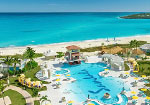
Boasting a drive–through volcano, as well as its own National Rain Forest Reserve with over 19,000 color–splashed acres of natural wonders, Saint Lucia's exotic beauty truly captures the luxuriant allure of the Caribbean. From the distinctive twin peaks of Les Pitons to the cascading majesty of Diamond Falls and the translucent turquoise sea that frames it all, Saint Lucia dazzles the eye as it seduces the body and spirit. Experience a vacation full of natural splendor and romantic vistas when you travel to a Sandals' Saint Lucia all–inclusive couples–only resorts. .

|
|
Sandals Resorts St. Lucia
Sandals Grande St. Lucia : Sandals Halcyon Beach : Sandals Regency La Toc
|
|
|
|
| |
WE HAVE MOVED
VISIT OUR NEW OFFICE
309 TAUNTON AVE. ROUTE. 44
SEEKONK, MA 02771
~ Click Here ~
To register for a
Caribbean Night Online! |
|
~ Visit Us At the following Wedding Shows ~
| Jan. 22, 2017- Crestwood Country Club
90 Wheeler St. Rehoboth, MA. 02769
Show Time: 12 to 3pm.
|
| |
Jan. 29th, Grand Wedding Expo
Crowne Plaza Hotel, 801 Greenwich Ave. Warwick. RI
Show Time: 12 to 4pm. |
| |
Feb. 26th, Rachaels Lakeside
950 State Road. North Dartmouth, MA. 02747
Show time: 12 to 3pm.
|
| |
March 9th, 2017 . Cocktails, Veils and Tails Wannamoisett Country Club
96 Hoyt. Ave. Rumford, RI. 02916
Show Time: 6 to -8 pm. |
| |
March 19, 2017 Harbor Lights Marina and Country Club
150 Gray St. Warwick, RI. 02889
Show Time:
12 to 4 pm. |
| |
|

|
|
|